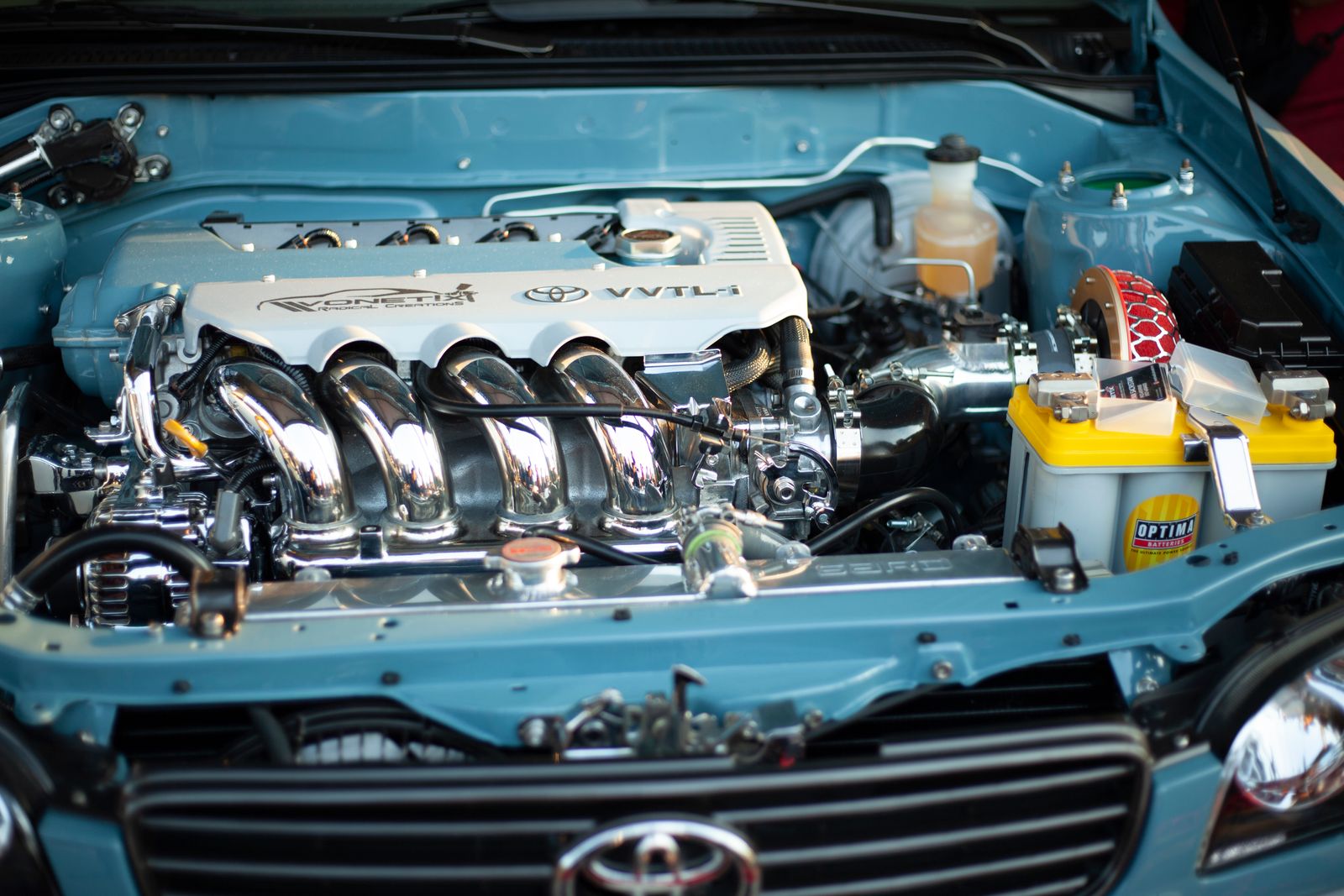
Professional Engine Bay Cleaning in Thane — electrical component shielding, controlled low-pressure cleaning, genuine 3M products and trained technicians on every visit.
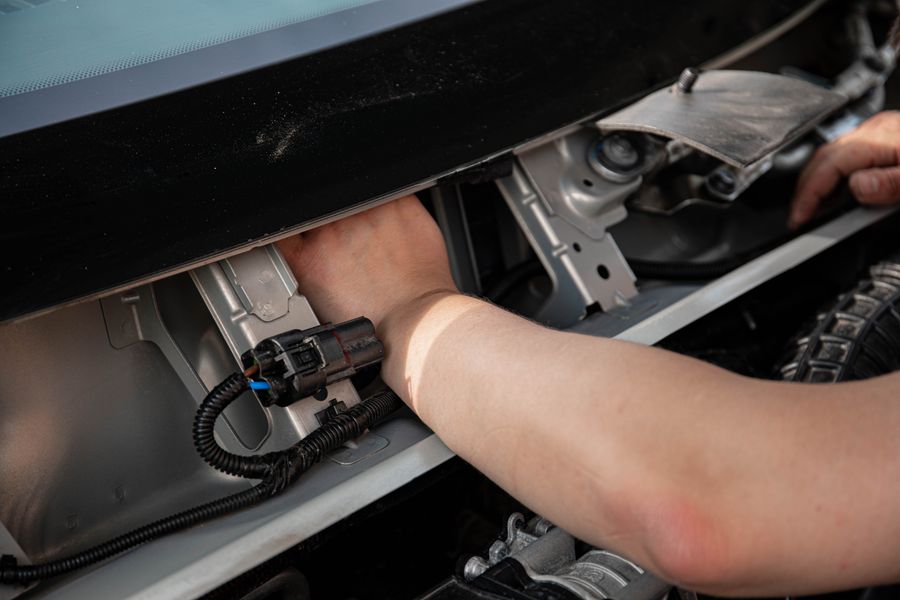
3M Engine Bay Cleaning is a controlled under-the-hood cleaning treatment designed to remove accumulated dust, oil residue, grease and road grime from the engine compartment while taking precautions around sensitive electrical components.
At our Thane studio, we first inspect and shield areas such as the alternator, ECU wiring, battery terminals and sensor connectors before applying an engine-safe degreasing solution. Loose debris is removed, grime is treated, and the bay is cleaned using a controlled low-pressure rinse rather than high-pressure jetting. Compressed air is then used around crevices and connectors before plastic and rubber components receive a finishing dressing.
3M itself lists automotive degreasing products for removing oil, grease and tough soils from engines and engine compartments, with specific guidance for light engine-compartment cleaning.
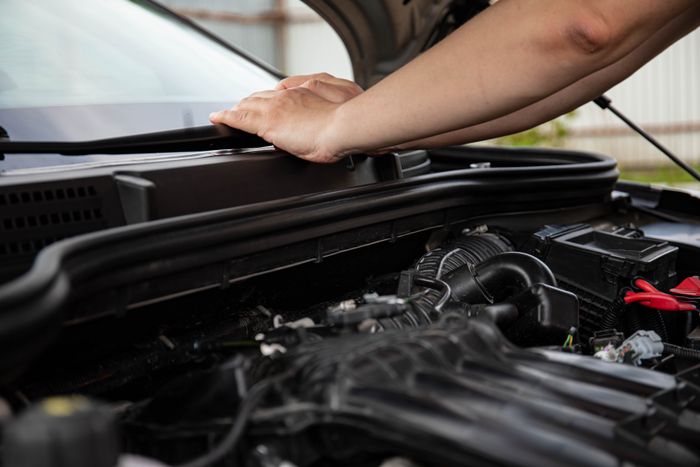
Your engine bay is exposed to much more than you see from outside the car. Over time it can accumulate:
This buildup can make components difficult to inspect and can leave the engine compartment looking neglected.
Oil residue and grease collect around engine components and create stubborn deposits.
Daily driving introduces dust and contaminants into the engine compartment.
Heavy grime can make it harder to identify fresh oil leaks or worn components.
Continuous heat and UV exposure can make visible plastic and rubber components look dull and aged.
Even a well-maintained car can look unfinished when the engine compartment is heavily soiled.
A dirty engine bay isn't only an appearance issue — accumulated grime has knock-on effects.
Oil leaks, damaged hoses and loose connections can become harder to spot under a layer of grime.
A cleaner engine compartment gives technicians better visibility during inspection and maintenance.
A neglected engine bay can create the impression that the vehicle hasn't been properly maintained.
Repeated heat cycles can make oil and dirt increasingly difficult to remove the longer it's left.
Regular cleaning and appropriate dressing help maintain the appearance of visible plastic and rubber surfaces.
None of this is a mechanical failure — it's a maintenance and visibility issue that regular cleaning addresses.
Five careful steps on every engine bay — the same electrical-safe process whether it's a new hatchback or a decade-old SUV.
We assess grime levels and cover the alternator, ECU wiring, battery terminals and sensors.
Loose dust, leaves and surface debris are removed before any liquid cleaning begins.
3M's All Purpose Cleaner and Degreaser is applied to loosen oil, grease and accumulated grime from heavily soiled surfaces.
The area is rinsed using controlled pressure — never aggressive jetting — then compressed air removes moisture from crevices and connectors.
Visible plastic and rubber components are finished with a UV-protectant dressing to restore a cleaner, richer appearance.
We specifically avoid high-pressure jetting around sensitive under-hood components.
Critical electrical areas are protected before liquid cleaning begins.
We use appropriate automotive cleaning/degreasing chemistry rather than household detergents.
Water is used in a controlled manner rather than simply spraying the entire engine bay.
Air is used to displace trapped moisture from crevices and connector housings.
3M's automotive degreaser is formulated to break down oil, grease and dirt from heavily soiled automotive surfaces, including engines and engine compartments.
The objective isn't to introduce water everywhere — shielding, controlled rinsing and air-drying together minimise unnecessary moisture exposure for sensitive components.
Plastic and rubber dressing restores the visual finish of visible under-hood components and helps maintain their appearance.
These are cleaning, protection and appearance benefits — we don't make unsupported chemical or performance claims about the products used.
Alternator, ECU wiring, battery terminals and sensor connectors covered before any liquid touches the bay.
Purpose-built automotive degreasing agents, not household chemicals.
Water is applied with control rather than blasted across the bay.
We never use aggressive high-pressure jets around sensitive under-hood components.
Displaces trapped moisture from crevices and connector housings after rinsing.
UV-protectant dressing finishes every visible plastic and rubber component.
Included with every engine bay cleaning, not cleaning alone.
Works across different engine-bay layouts, including turbo and hybrid bays.
Genuine 3M automotive degreasing and dressing products throughout.
A cleaner engine compartment makes oil leaks and worn components easier to identify.
Technicians can inspect hoses, connections and components more easily.
A clean engine bay creates a stronger impression during resale or pre-purchase inspection.
Removes accumulated grime and restores the appearance of visible engine-bay components.
Appropriate dressing helps maintain the appearance of visible plastic and rubber surfaces.
Not directly.
Engine bay cleaning is primarily a cleaning, inspection and appearance-maintenance treatment — not an engine-performance enhancement. We do not claim it delivers more horsepower, better mileage or more engine power. What it does help with is easier visibility: cleaning can make leaks, worn hoses and other visible issues easier to identify during inspection.
| Professional 3M Engine Bay Cleaning | Generic Pressure Washing |
|---|---|
| Electrical components shielded | Often exposed directly |
| Controlled cleaning | Aggressive water application |
| Engine-safe degreaser | Unknown chemicals |
| Controlled low-pressure rinse | High-pressure jetting |
| Compressed-air drying | Limited drying |
| Plastic/rubber dressing | Usually cleaning only |
| Inspection included | Usually no inspection |
| Designed as a detailing process | Primarily a quick wash |
Any one of these is a reasonable reason to book. As routine maintenance, approximately every six months is a sensible starting point depending on driving and contamination — or at least annually where appropriate — though this isn't an absolute requirement for every vehicle.
An easy visual sign it's time for a clean.
Dust and road grime that's built up over months of driving.
A clean engine bay strengthens the impression at handover.
Gives the inspecting mechanic a clear view of the compartment.
If it's never been done, a baseline clean is a sensible first step.
Clean the area for easier monitoring once the leak is fixed.
Makes future inspections faster and more reliable.
Even newer cars accumulate dust and factory grease — a first clean sets a clean baseline.
Regular road exposure makes engine-bay contamination inevitable.
Particularly useful when accumulated grime makes components difficult to inspect.
A clean engine bay improves presentation during resale inspection.
Cleaning makes leaks, hoses and connections easier to inspect.
We provide professional 3M engine bay cleaning and detailing in Thane for customers from Ghodbunder Road, Hiranandani Estate, Vasant Vihar, Majiwada, Kolshet and Pokhran Road, to Balkum, Hiranandani Meadows, Dosti West County, Rustomjee Urbania, Wagle Estate, Teen Hath Naka and Naupada, as well as Mulund, Airoli, Kalwa, Bhandup and Powai — with electrical component shielding and no high-pressure jetting on every visit.
Your engine-bay treatment is performed at an authorized 3M Car Care Studio.
3M's current automotive-care range includes dedicated cleaning and degreasing products for automotive applications, including engine cleaning.
Our process follows electrical-component shielding and controlled cleaning procedures.
We specifically avoid blasting the engine bay with high-pressure water.
A track record built on more than 1,500 engine bays cleaned safely.
A 4.9★ rating from 1,000+ reviews from Thane car owners.

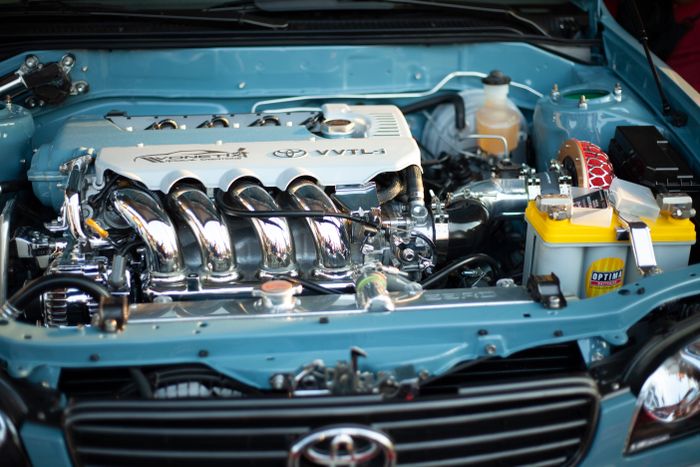
Years of oil residue and road dust degreased and rinsed away, with a UV-protectant dressing on every plastic cover.

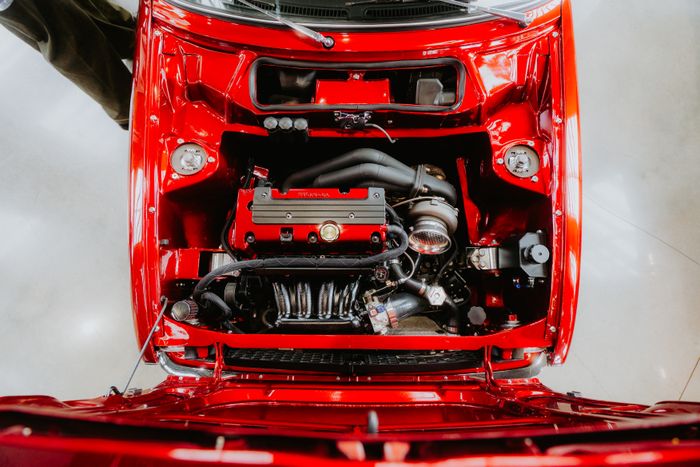
Heavy oil residue removed with electrical components fully shielded throughout — zero water exposure risk.
It can be, when performed using an appropriate controlled process. Our technicians shield sensitive electrical components, sensors and connectors before using a controlled low-pressure rinse, so no water reaches parts that could be damaged. This is very different from blasting an engine with a high-pressure jet, which we never do.
Our process is designed to minimise this risk. We specifically protect the alternator, ECU wiring, battery terminals and sensor connectors with covers before any degreaser or water is applied, and we only use engine-safe degreasing agents that will not corrode wiring or connectors.
No. We specifically do not use high-pressure jetting as part of our documented process. Sensitive components are shielded first, then the bay is cleaned using a controlled low-pressure rinse only.
A standard engine bay cleaning takes about 30 to 45 minutes. If there is heavy oil residue or the bay has never been cleaned before, it may take slightly longer to achieve a thorough result.
No direct fuel-efficiency improvement should be expected. The primary benefits are cleaning, appearance and easier inspection.
Not directly. Engine bay cleaning is primarily a cleaning, inspection and appearance-maintenance treatment — it should not be marketed as an engine-performance enhancement. However, cleaning can make leaks, worn hoses and other visible issues easier to identify during inspection.
Yes. Our process is suitable for different engine-bay layouts, including turbo and hybrid bays, with the appropriate components shielded before cleaning.
Yes, even new cars accumulate dust, factory grease and light oil residue quickly. An early first clean makes it much easier to spot any factory-fit issues or early leaks, and establishes a clean baseline for future maintenance.
Approximately every 6 months is recommended, or once a year at minimum, depending on your driving conditions. Vehicles driven in dusty areas or that have had oil leaks benefit from more frequent cleaning to prevent grime buildup.
We don't recommend it. Uncontrolled hosing or pressure washing without shielding sensitive components risks water ingress into the alternator, ECU connectors and sensors. Our controlled, shielded process is designed specifically to avoid this risk.
Yes. A clean, dressed engine bay creates a strong first impression during resale inspections and dealer evaluations, signals that the car has been well maintained, and makes it far easier to spot oil leaks or worn components during inspection.
Yes. The process uses engine-safe degreasing to loosen oil residue, grease and accumulated grime before controlled rinsing — 3M's automotive degreaser is designed to remove oil, grease and tough soils from engines and engine compartments.
Battery terminals are specifically identified as components that are shielded during the cleaning process. This treatment should not be represented as a battery-terminal repair or electrical service.
Electrical connectors are protected during cleaning, while compressed air is used to displace trapped moisture from crevices and connector housings.
Yes. Every visible plastic engine cover, hose and rubber seal is finished with a UV-protectant dressing that restores a rich, like-new appearance and helps slow further fading and cracking.
No. Engine bay cleaning is a detailing service, not mechanical servicing. It does not replace oil changes, repairs, diagnostics or mechanical maintenance.