
Yellow, hazy or oxidised headlights? Restore the lens instead of replacing the entire headlight assembly. Our professional 3M Headlight Restoration System removes surface oxidation, yellowing and haze through a controlled multi-stage restoration process, followed by a UV-resistant protective finish.
3M Headlight Restoration is a professional process used to restore cloudy, yellowed and oxidised plastic headlight lenses.
The treatment progressively removes the damaged outer surface using controlled abrasive technology, refines the lens to restore optical clarity, and finishes it with a protective coating designed to slow down future UV-related deterioration. 3M's own restoration systems use progressive abrasives, including Trizact™ technology, together with polishing products to restore clarity to plastic automotive lenses.
At our Thane studio, the process is performed panel-free and lens-focused, with surrounding paint and trim masked before restoration begins and the lens inspected both before and after treatment — inspection, masking, progressive wet sanding, compound polishing, a UV-cured clear coat and a final quality inspection.
"Restores significant lost clarity and can improve beam visibility when oxidation and haze are the cause of reduced optical performance."
Modern headlights commonly use polycarbonate plastic lenses with a protective factory coating. Over time, exposure to the elements can deteriorate that outer protective layer.
Once the surface protection breaks down, the exposed plastic can oxidise, producing the familiar yellow, cloudy or hazy appearance — UV exposure, heat cycling and road grime are the biggest contributors we see on Thane's roads.
These are the issues our technicians identify most often during a free headlight inspection.
UV degradation causes the lens to lose its original transparency.
Oxidation scatters light rather than allowing the headlamp to project it efficiently.
A degraded lens can reduce the effectiveness of the headlight beam, particularly noticeable during night driving.
The outer plastic layer becomes dull and rough.
Minor scratches and surface imperfections can further scatter light.
Yellow headlights can make an otherwise well-maintained car look older and neglected.
Headlight haze doesn't just affect the appearance of your car. A degraded lens can scatter light and reduce beam clarity, which can affect visibility during night driving — especially on poorly lit roads and during adverse weather. 3M specifically describes headlight restoration as a way to restore clarity and improve visibility, offering an alternative to replacing the lens assembly.
If the problem is primarily surface yellowing, haze or oxidation, professional restoration may be a suitable alternative to replacing the entire headlight assembly. However, deep cracks, severe pitting, internal moisture or damage inside the housing may require repair or replacement instead.
Our 3M headlight restoration process is designed around three stages.
Progressive abrasive treatment removes the damaged, yellowed and oxidised surface.
Fine abrasives and polishing refine the lens and restore optical clarity.
A UV-resistant protective finish helps slow down future deterioration.
Instead of simply polishing the yellowed surface, controlled abrasive stages progressively remove the damaged layer and refine the surface beneath it.
Our professional restoration system incorporates 3M Trizact™ abrasive technology, engineered specifically for restoring plastic automotive lenses.
Each abrasive stage refines the surface created by the previous stage, progressively reducing the appearance of sanding marks.
The restoration system uses 3M Perfect-It™ rubbing compound and machine polish to refine the lens and restore clarity.
The restored lens needs protection once oxidation is removed — our process finishes every restoration with a UV-resistant clear-coat seal.
Restore transparency and improve the appearance of cloudy lenses.
A clearer lens allows the headlamp to project light more effectively.
Targets the damaged outer surface rather than simply hiding it.
Leaves the lens with a smooth, high-gloss appearance.
Where the lens is restorable, restoration can be a cost-effective alternative to replacing the assembly.
The final protective layer helps slow down future UV-related deterioration.
Performed using genuine 3M restoration technology by trained applicators.
Five careful steps on every headlight — the same process whether it's light haze or years of built-up oxidation.
Assess oxidation severity and check for cracks or trapped moisture, then tape off surrounding paint, trim and badges to protect them during sanding.
Progressive grits strip away the yellowed, oxidised outer layer without gouging the lens.
Machine polishing restores optical clarity and a smooth, high-gloss surface.
A fresh UV-resistant sealant is applied and cured to lock in the restored clarity.
The lens is inspected for clarity and finish, and a beam test confirms results before the vehicle is handed over.
Simple habits that keep your headlights clear for the full warranty period and beyond.
Skip household glass cleaners and abrasive pads directly on the sealed lens surface.
A gentle rinse and pH-neutral shampoo during every wash keeps grime from settling.
Periodic UV protectant top-ups can further extend the life of the clear coat seal.
Reducing direct sun exposure slows the UV breakdown that causes future haze.
Foggy condensation inside the housing should be checked promptly — it isn't surface haze.
Bring the car in once a year so we can catch early haze before it affects visibility.
Polishing can improve the appearance. Professional restoration addresses the damaged surface and finishes it with protection.
| Feature | Basic Headlight Polishing | Professional 3M Restoration |
|---|---|---|
| Surface cleaning | Yes | Yes |
| Removes oxidation | Limited | Yes |
| Progressive abrasive process | Usually limited | Yes |
| Professional polishing | Sometimes | Yes |
| UV protective finish | Often missing | Yes |
| Long-term surface protection | Limited | Designed into process |
| Professional inspection | Usually no | Yes |
| 3M restoration technology | No | Yes |
The key difference: polishing can improve the appearance, while professional restoration addresses the damaged surface and finishes it with protection. 3M itself describes its restoration systems as combining abrasives, polishing and protectants — rather than relying on ordinary cleaners.
Consider professional headlight restoration if any of the following apply to your vehicle.
We inspect the headlights first and recommend restoration only when the lens condition is suitable.
We use genuine 3M restoration products rather than generic polishing materials.
The process requires controlled abrasive progression and careful finishing.
Machine polishers, progressive abrasives and professional curing equipment are used for consistent results.
Our studio has restored more than 800 headlights for Thane car owners.
Strong customer rating built on documented studio experience.
A documented clarity warranty backed by your service invoice.
We assess the condition of your headlights before recommending restoration.
3M has developed dedicated automotive headlight restoration systems rather than treating headlight restoration as ordinary polishing. Its current professional system combines 3M Trizact™ abrasives, Perfect-It™ rubbing compound and Perfect-It™ machine polish for restoring plastic automotive lenses.
3M also offers multiple restoration systems for plastic lenses:
We provide professional 3M Headlight Restoration in Thane for customers across the following neighbourhoods and surrounding areas.
If you are searching for headlight restoration near me, headlight polishing in Thane, yellow headlight restoration, cloudy headlight repair, car headlight restoration or 3M headlight restoration, our Thane studio provides inspection-led restoration using a professional 3M process — not a quick wipe-on polish.
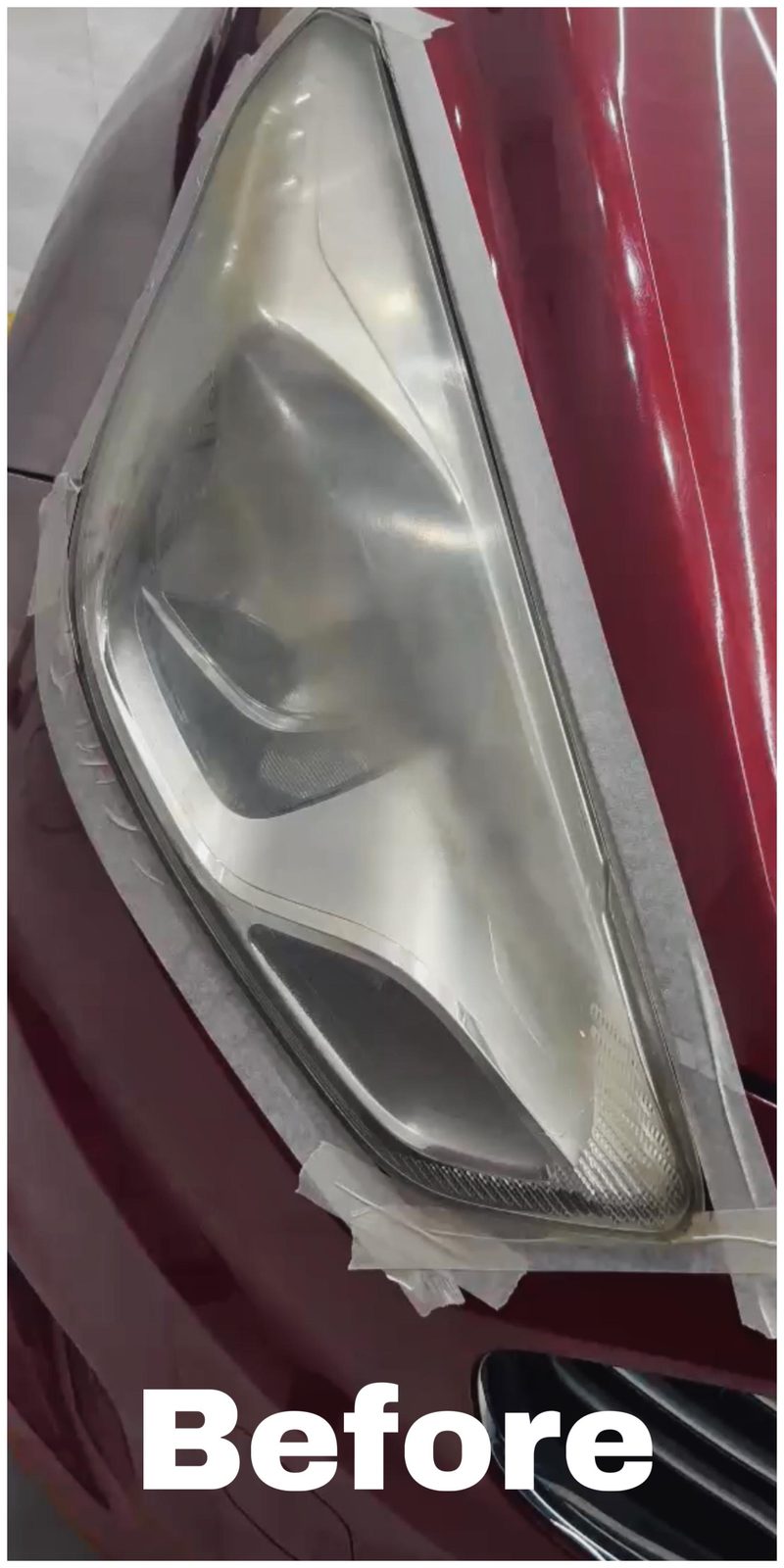
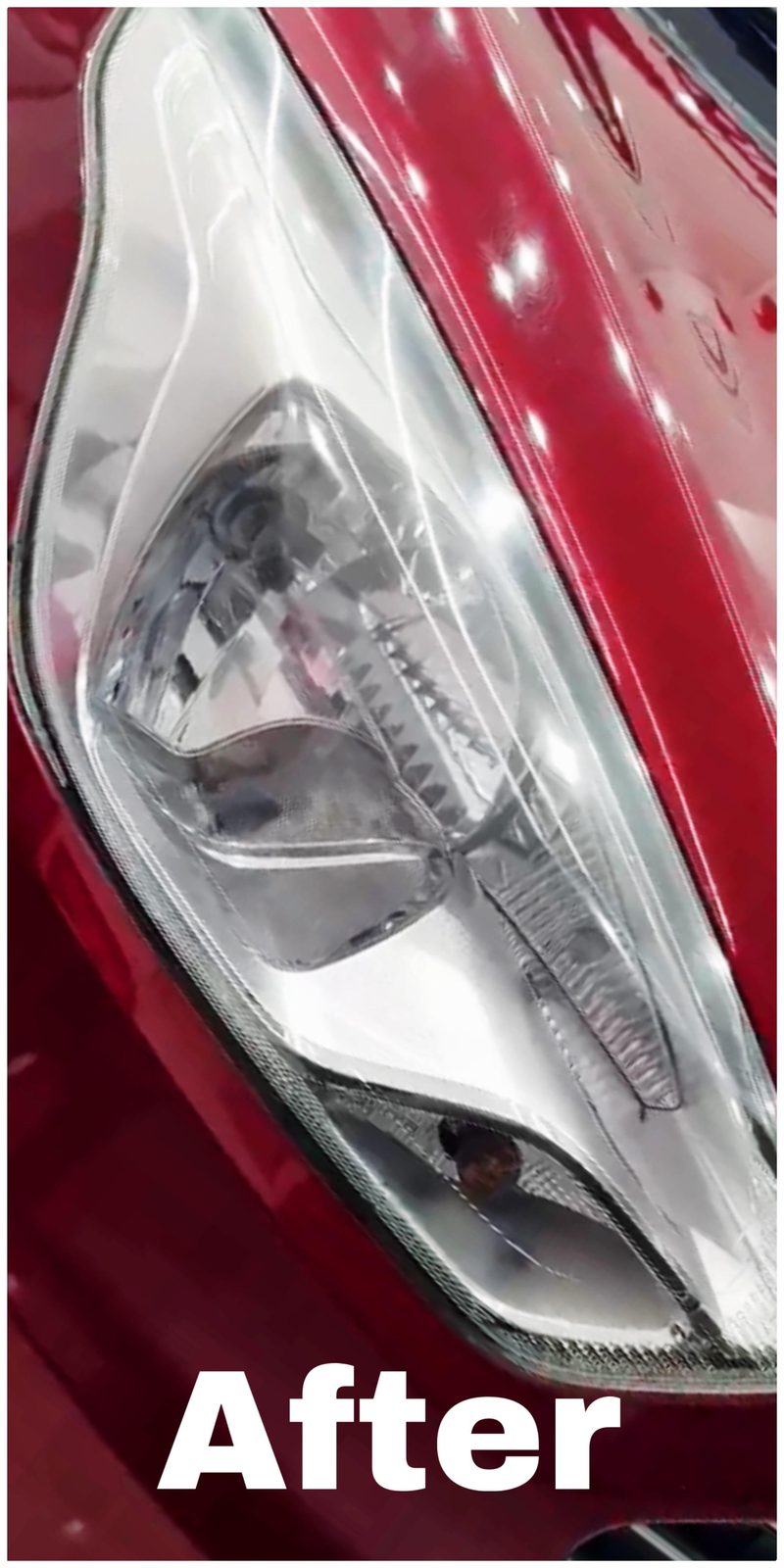
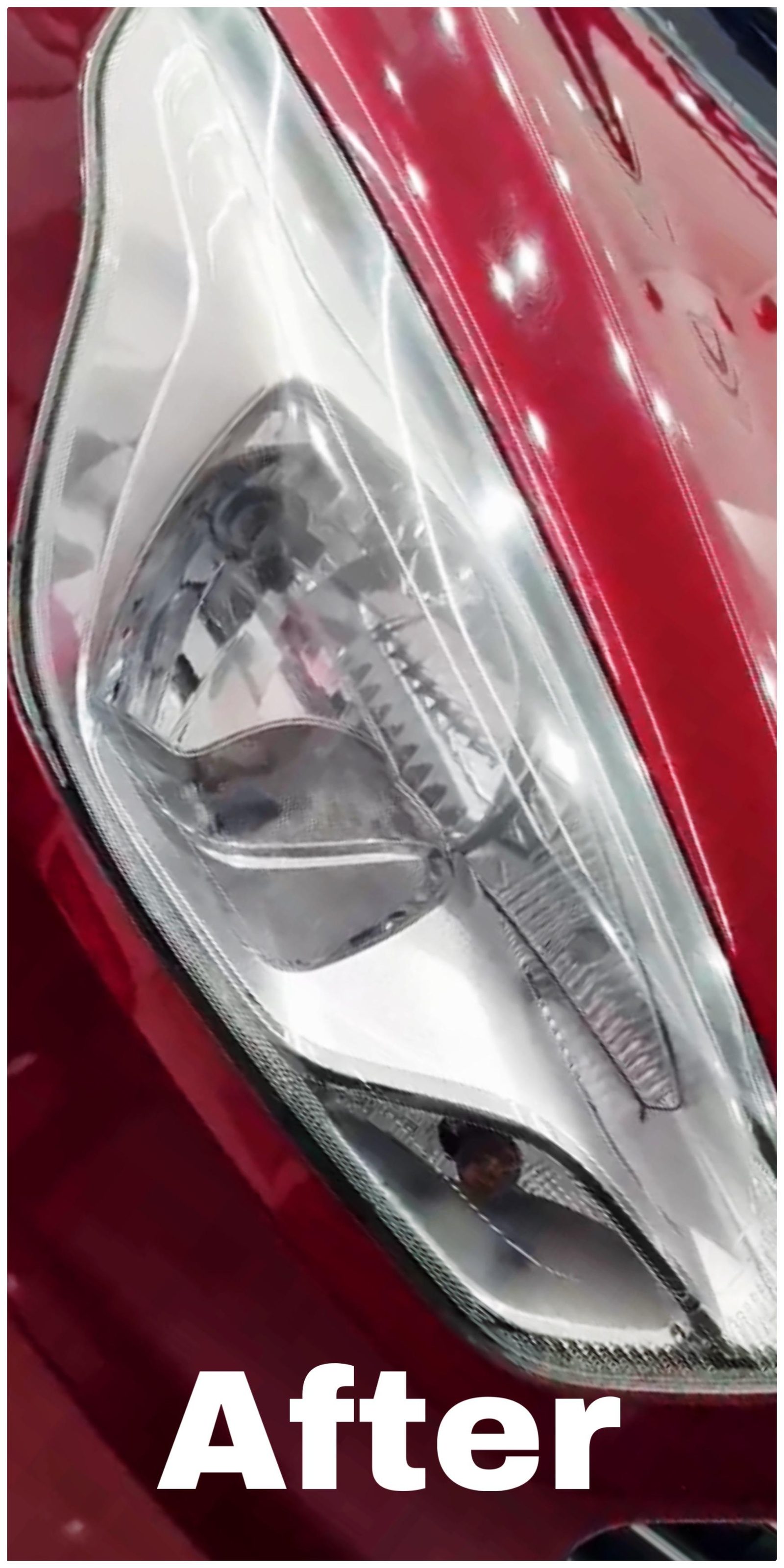
Years of sun exposure removed in a single visit — full multi-grit restoration with UV-cured clear coat seal.
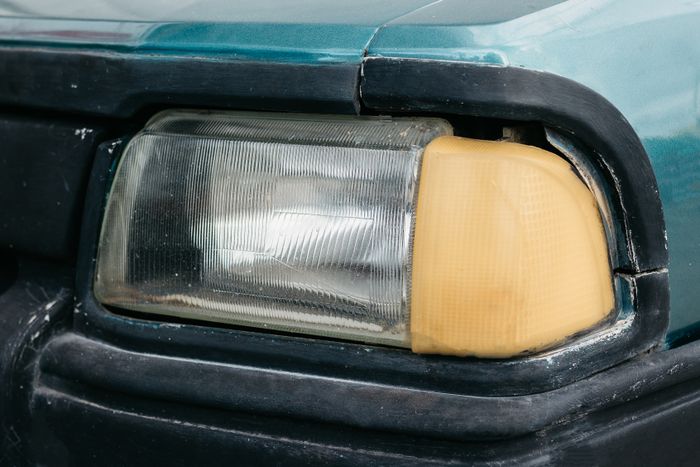
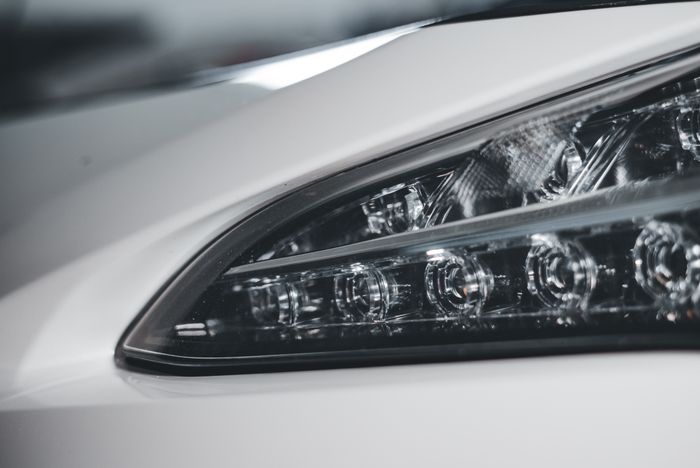
Deep oxidation and pitting corrected ahead of a long highway trip, restoring full beam brightness.
It is a professional process that uses abrasive restoration, polishing and protective finishing to restore cloudy, yellowed or oxidised plastic headlight lenses.
Yes. The restoration system is designed to remove yellowing, haze and oxidation from plastic lenses.
A clearer lens can improve beam clarity and visibility compared with a heavily oxidised lens. 3M specifically positions its restoration systems as a way to improve visibility.
Where the damage is primarily surface oxidation and haze, professional restoration can significantly improve clarity and appearance. The final result depends on the condition of the lens.
No. Surface oxidation and haze are generally suitable for restoration, while deep cracks, severe pitting or internal damage may require replacement.
It can remove or reduce suitable surface defects, depending on their depth. Deep damage extending into the lens may remain.
Yes. Removing surface oxidation is one of the primary purposes of the treatment.
A standard two-headlight restoration can generally be completed within a few hours depending on the condition and process required. Most vehicles are completed the same day.
If the lens is structurally sound and the problem is surface oxidation, restoration can be a more economical alternative to replacement. If the housing or lens is severely damaged, replacement may be more appropriate.
No restoration is permanently immune to UV exposure. The protective finish is designed to slow future deterioration, but longevity depends on sunlight exposure, parking conditions and maintenance.
Yes. The professional service finishes the restoration with a UV-resistant protective clear coat.
Deep cracks may not be restorable. We inspect the lens first to determine whether restoration is appropriate.
No. Internal condensation or moisture ingress is different from surface haze and should be diagnosed separately.
Yes. Restored headlights can be paired with a suitable headlight PPF solution for additional protection.
There is no fixed interval. It depends on UV exposure, parking conditions and the quality of the previous restoration. An annual inspection can identify early haze before it becomes severe.
Professional restoration uses controlled abrasive progression, polishing and protective finishing. 3M's systems specifically use progressive abrasives and polishing rather than simply wiping a cleaner onto the lens.
The price depends on the vehicle and condition of the headlights. We recommend a free inspection before providing the exact quote.