
Rodents can enter parked cars — especially vehicles parked overnight, near gardens or garbage areas — and once inside the engine compartment, may chew wires, cables, hoses and rubber/plastic components, potentially resulting in expensive repairs.
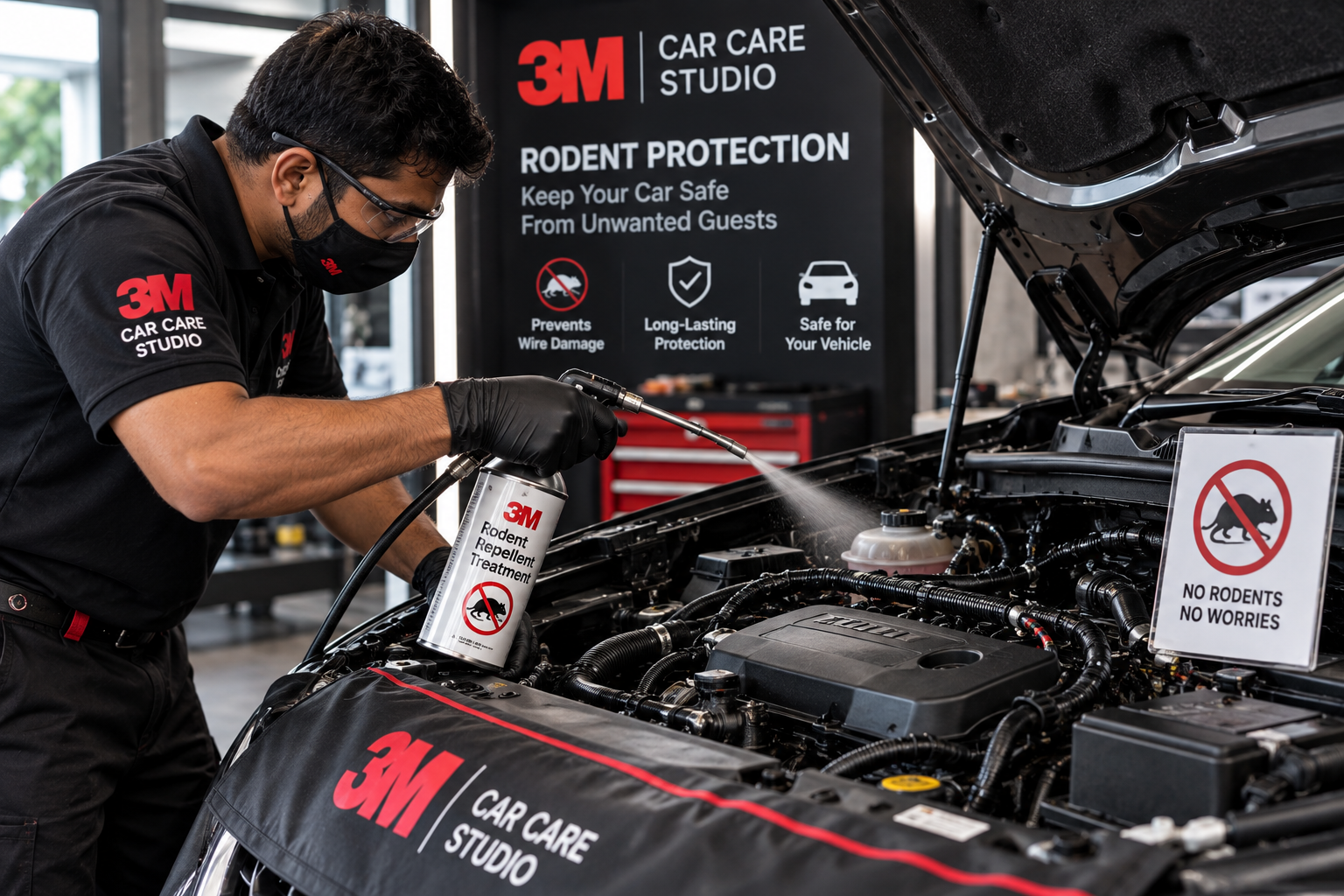
3M™ Rodent Repellent Treatment is a preventive automotive coating designed to deter rats and other rodents from chewing and gnawing on suitable wires, cables and rubber/plastic components in and around the engine compartment.
The 3M formulation uses bitter ingredients to create a deterrent barrier on appropriate surfaces. 3M states that the coating is designed to protect cables, wires and other rubber/plastic surfaces from rodent damage and is suitable for automotive applications.
At our Thane studio, the treatment is applied to appropriate areas of the vehicle after inspection, with care taken around electrical, mechanical and heat-sensitive components.
This is a preventive treatment — it does not guarantee that rodents will never enter the vehicle.
3M™ Rodent Repellent Treatment is an automotive preventive coating designed to deter rats and rodents from chewing suitable engine-bay wires, cables and rubber/plastic components. 3M recommends the treatment for automotive use, and its Car Care Doorstep information recommends re-treatment approximately every six months.
A parked car can provide rodents with a relatively sheltered environment. The engine compartment also contains materials that rodents may chew.
Commonly Affected Areas Include:
A frequent target for rodent chewing in the engine bay.
Coolant, vacuum and other rubber hoses are commonly affected.
Covers and plastic housings around the engine bay.
Insulation around cables is a common chewing target.
Rubber grommets sealing entry points can also be gnawed.
Other appropriate areas around the engine compartment.
Common entry points rodents use to access the vehicle.
Rodent damage can be difficult to notice until a warning light appears, an electrical system stops functioning or the vehicle develops starting or operational problems.
Consequence: They may chew wiring, cables, hoses and other suitable rubber/plastic components.
Consequence: You may face electrical faults, warning lights, starting problems or expensive component replacement.
3M™ Rodent Repellent Treatment creates a deterrent coating on appropriate surfaces, helping discourage rodents from chewing and gnawing.
The treatment is designed for suitable:
Helps deter rodents from chewing automotive wiring and cables.
Provides a deterrent barrier on suitable rubber surfaces.
Helps protect appropriate plastic/rubber surfaces from rodent chewing.
Provides preventive rodent protection around appropriate areas of the engine compartment.
3M's Car Care Doorstep information specifically identifies wheel arches and grommets as areas where the treatment can create a protective barrier.
The treatment isn't designed to kill rodents. Instead, it works as a deterrent coating.
The formulation contains bitter ingredients that make treated surfaces less attractive for chewing. 3M describes the product as specially formulated to deter chewing and gnawing and as a durable coating for long-lasting protection.
Investigates the engine compartment as usual
Comes into contact with the 3M coating
Bitter formulation makes the surface unattractive to chew
On treated components specifically
This makes the treatment particularly relevant for vehicles that are parked for long periods or have previously experienced rodent activity.
You should consider a rodent inspection if you notice:
Visible bite marks or exposed wiring.
Nicks or tears in rubber hoses.
Exposed or frayed insulation on cables.
Around the engine bay.
Found in or around the engine compartment.
From the engine compartment.
Appearing unexpectedly on the dashboard.
After the car has been parked.
Around your parking area.
If wiring or components are already damaged, repair should be completed before preventive treatment.
You don't need to wait for damage. 3M states that its Rat Repellent Treatment can be done on both new and old cars.
Vehicles parked outside overnight can be exposed to greater environmental and rodent activity.
Rodent activity around the parking location increases the reason to consider preventive protection.
Cars that remain parked for several days at a time can benefit from preventive rodent protection.
If your car has already suffered rodent damage, prevention becomes particularly important after the damaged components have been repaired.
| Aspect | 3M™ Rodent Repellent Treatment | Generic Rat Repellent Spray |
|---|---|---|
| Automotive-specific | Yes | Depends on product |
| Designed for engine-area components | Yes | Not always |
| Protects suitable wires/cables | Yes | Depends on product |
| Deterrent coating | Yes | Depends on product |
| 3M automotive formulation | Yes | No |
| Professional application | At our 3M studio | Usually DIY |
| Inspection before application | Yes | Usually no |
| Maintenance guidance | Yes | Product dependent |
Important: We recommend using a product specifically intended for the vehicle and the surfaces being treated rather than applying household rodent-control chemicals indiscriminately inside an engine bay.
Five careful steps, with sensitive components protected before any product is applied.
We inspect the engine compartment and relevant areas for signs of rodent activity, existing damage and suitable treatment surfaces.
Appropriate areas are cleaned and prepared before application.
Sensitive components and areas that should not receive the coating are protected appropriately.
Genuine 3M™ Rodent Repellant is applied to suitable wires, cables and rubber/plastic surfaces.
The treated areas are checked before the vehicle is handed back.
3M's Car Care Doorstep information recommends repeating the treatment approximately every 6 months.
Actual Effectiveness Can Vary Depending On:
Regular inspection and reapplication are therefore important for continued protection.
Yes — but with specific precautions.
EVs also contain wiring, cables, rubber/plastic components and other areas that may be vulnerable to rodent damage. However, an EV has additional high-voltage components that require careful handling. 3M rodent treatment should not be indiscriminately sprayed over the high-voltage battery pack, electrical connectors, charging components or other sensitive EV components.
At our studio, treatment is restricted to appropriate surfaces and areas, following the vehicle manufacturer's requirements and the product's application guidance.
Rodent treatment is preventive, not a guarantee — these habits help maintain its effectiveness.
3M's Car Care Doorstep information recommends repeating the treatment approximately every 6 months.
High-pressure water should not be directed indiscriminately at electrical components or treated areas.
For cars with severe rodent activity, combine treatment with good parking hygiene and removing food sources.
Chewed wires, bite marks, droppings or unusual smells mean it's time for a re-inspection.
The high-voltage battery pack, connectors and charging components must not be indiscriminately coated.
If wiring or components are already damaged, repair should be completed before preventive treatment.
3M™ Rodent Repellent is designed to deter chewing and gnawing on treated surfaces. It does not guarantee that a rodent cannot enter or nest inside a vehicle.
For cars with severe rodent activity, we recommend combining the treatment with good parking hygiene, removing food sources and addressing possible entry/nesting conditions.
We use genuine 3M™ Rodent Repellant, rather than an unidentified generic coating.
Your vehicle is treated within a professional 3M Car Care environment.
We don't simply spray the entire engine bay. Appropriate surfaces are identified before application.
The treatment is applied with attention to electrical, mechanical and heat-sensitive components.
The treatment can be considered for both new and older vehicles.
The objective is to reduce the likelihood of expensive rodent-related damage before it happens.
Get preventive rodent protection if:
Rodent activity can be a concern for cars parked in residential societies, basements, open parking areas and commercial premises.
We provide 3M™ Rodent Repellent Treatment in Thane for customers from areas including Ghodbunder Road, Hiranandani Estate, Hiranandani Meadows, Vasant Vihar, Kolshet, Majiwada, Pokhran Road, Wagle Estate, Balkum, Naupada, Teen Hath Naka, Mulund, Airoli, Bhandup, Kalwa and surrounding areas. Car owners from Powai also visit our Thane studio for genuine 3M™ Rodent Repellent Treatment, alongside our other 3M protection services.
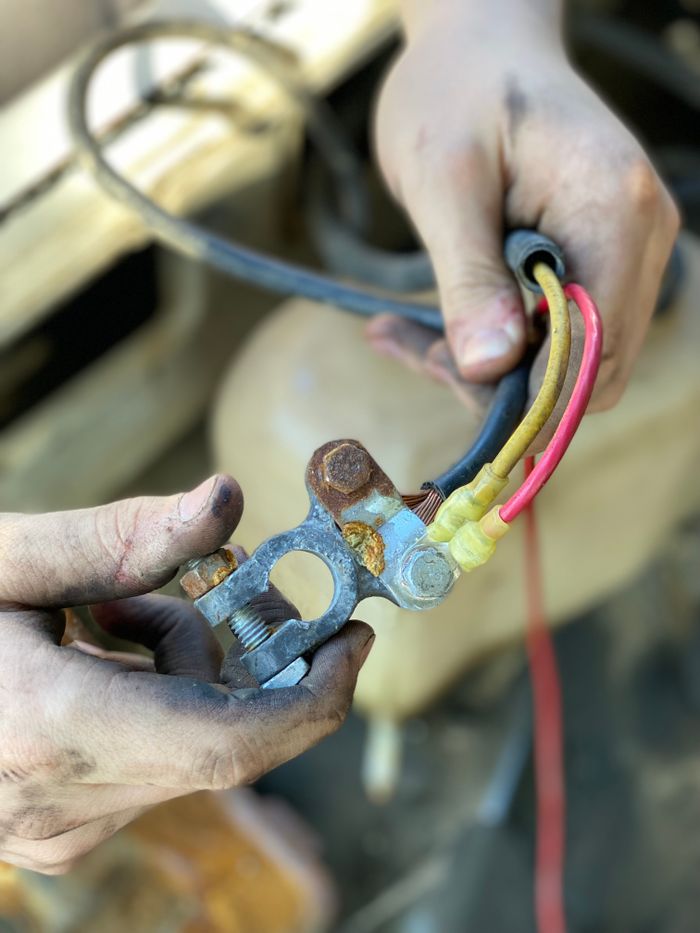
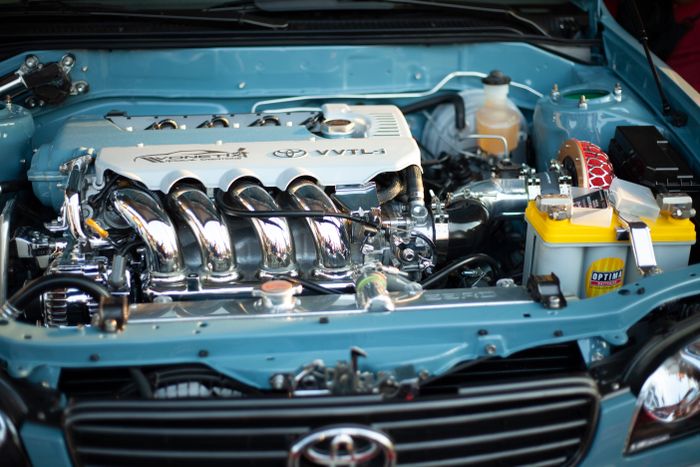
Suitable wiring, cables and rubber/plastic surfaces treated with genuine 3M™ Rodent Repellant after inspection.
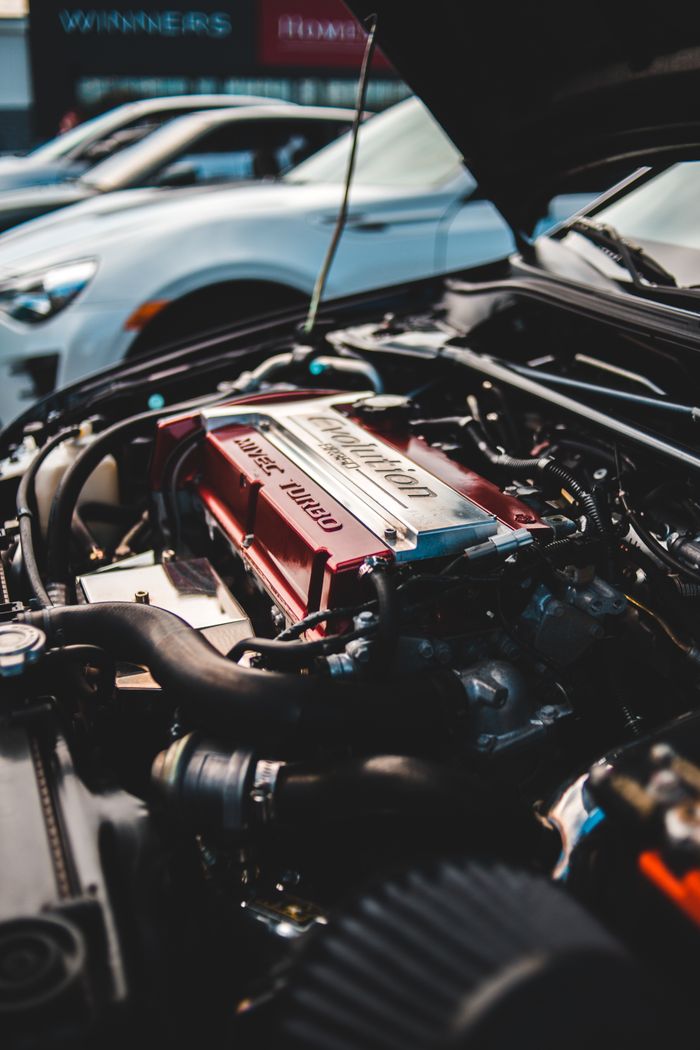
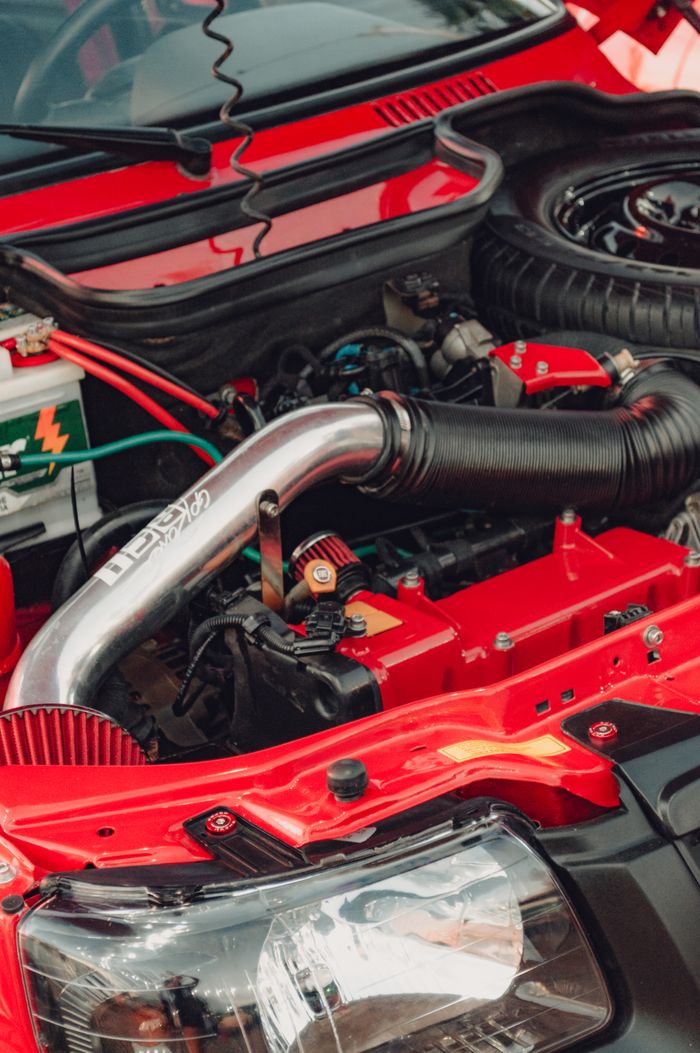
3M's Car Care Doorstep information identifies wheel arches and grommets as areas where the treatment can create a protective barrier.
It is a 3M automotive coating designed to deter rodents from chewing and gnawing on suitable wires, cables and rubber/plastic components.
No. It is a rodent deterrent, not a rodenticide. Its purpose is to discourage chewing and gnawing.
Not completely. It helps create a deterrent barrier on treated areas but cannot guarantee that rodents will not enter the vehicle.
Suitable engine-bay wires, cables, rubber/plastic surfaces and applicable entry areas can be treated after inspection. 3M specifically identifies engine-compartment surfaces and the Car Care Doorstep information also mentions wheel arches and grommets.
It is specifically designed to help protect suitable cables and wires from rodent damage.
Suitable rubber/plastic surfaces can be treated as part of the preventive protection.
Yes. 3M states that the treatment can be done on both new and old cars.
Yes, subject to inspection and surface condition.
3M's Car Care Doorstep recommends the treatment approximately every 6 months.
The 3M Car Care Doorstep information states that the coating is highly durable against water. However, environmental exposure and washing can affect longevity, so periodic inspection is recommended.
Engine-bay cleaning should be done carefully. High-pressure water should not be directed indiscriminately at electrical components or treated areas.
Yes, but existing damage should first be inspected and repaired. The treatment is primarily preventive.
It is designed for suitable automotive cables, wires and rubber/plastic surfaces. Application should nevertheless be limited to appropriate surfaces and carried out professionally.
Yes, with precautions. Suitable EV components can be treated, but high-voltage batteries, connectors and sensitive electrical systems must not be indiscriminately coated.
No. The high-voltage battery and sensitive electrical components should not be indiscriminately sprayed.
When correctly applied only to suitable surfaces, the treatment is intended for automotive applications. Sensitive electrical components should be protected from inappropriate application.
3M's Car Care Doorstep information describes the current treatment as having a less pungent and shorter-lasting smell.
3M describes the treatment as providing a thicker, clear and glossy coating.
The product is available as a coating, but professional application is preferable for a vehicle because correct surface selection and protection of sensitive components are important.
If your car is exposed to recurring rodent activity, preventive treatment can be considerably more practical than dealing with damaged wiring, hoses or other components later.